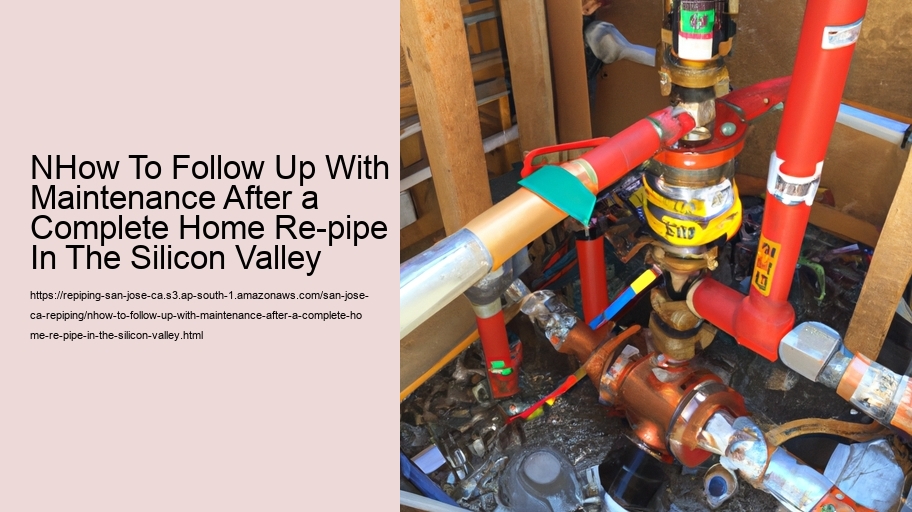
Schedule regular inspections with a licensed plumber to ensure the integrity of your new piping.
After completing a comprehensive home re-pipe in Silicon Valley, it is essential to establish a maintenance routine to ensure the longevity and performance of your new plumbing system. How to Finance a Major Repiping Project on Your Property in San Jose, California . Regular inspections by a licensed plumber play a critical role in this upkeep, helping to prevent potential issues before they escalate into costly repairs.
A re-piping project represents a significant investment into the health and functionality of your home's infrastructure. Like any major improvement, the key to safeguarding that investment lies in proactive care and periodic checks. With Silicon Valley homes varying from modern constructions to charming older houses, each with unique plumbing needs, tailored maintenance becomes even more crucial.
Scheduling regular inspections with a qualified plumber provides several benefits. Firstly, it offers peace of mind. Knowing that an expert is monitoring your pipes can alleviate concerns about unexpected leaks or bursts that could lead to water damage or expensive emergency services.
Secondly, these inspections can help identify minor problems before they become major ones. A licensed plumber will have the expertise to detect early signs of corrosion, wear and tear on joints and fittings, or issues related to water pressure. By catching these concerns early on, you can address them promptly at a lower cost and inconvenience than if left unattended until they worsen.
Thirdly, maintaining consistent oversight of your plumbing system ensures compliance with local building codes and regulations which may evolve over time. A professional plumber stays abreast of these changes and can advise you accordingly during their visits.
Fourthly, plumbers can also provide valuable insights into ways you can improve the efficiency of your water usage — an especially pertinent consideration in California where water conservation is important due to frequent drought conditions.
To get started with post-re-pipe maintenance:
1. Find a reputable local plumbing service with good reviews and credentials.
2. Set up an initial inspection shortly after the re-piping work is completed to ensure everything has been installed correctly.
3. Arrange for subsequent inspections at intervals recommended by your plumber—usually once every one or two years unless specific concerns dictate otherwise.
4. During each visit, request that the plumber checks all visible piping as well as connections for sinks, toilets, showers, and appliances.
5. Ask for documentation or reports from each inspection so you have records detailing the condition of your plumbing over time.
6. Be open to recommendations from professionals regarding upgrades or preventative measures such as installing shut-off valves or water softeners if needed.
By following through with regular maintenance after having had a complete home re-pipe in Silicon Valley—or anywhere else—homeowners are not only protecting their property but also ensuring optimal functionality and efficiency within their living environment for years to come. This diligent approach exemplifies responsible homeownership while contributing positively towards preserving one’s quality of life within their cherished dwelling space.
Learn about the specific maintenance needs for the type of pipes installed in your home.
Following up with maintenance after a complete home re-pipe in Silicon Valley—or anywhere else for that matter—is crucial to ensure the longevity and proper functioning of your plumbing system. A home re-pipe is a significant investment, so it's wise to understand the specific maintenance needs for the type of pipes installed in your home.
Silicon Valley homes may have various types of piping materials such as copper, PEX (cross-linked polyethylene), or PVC (polyvinyl chloride). Each material has unique properties and requires different care strategies.
For instance, copper pipes are known for their durability and resistance to corrosion. However, they are not immune to problems. To maintain them:
1. Regularly check for leaks, especially at joints and fittings.
2. Monitor water pH levels because excessively acidic or alkaline water can corrode copper over time.
3. Insulate pipes to prevent freezing during cold spells which can cause bursting.
PEX tubing is flexible, resistant to scale and chlorine, doesn't corrode, and is less likely to burst from freezing. Maintenance tips include:
1. Protecting it from prolonged UV exposure since sunlight can degrade PEX over time.
2. Ensuring that household cleaners or pesticides do not come into contact with PEX as certain chemicals can damage the material.
PVC pipes are used primarily for waste transport rather than supply. They're lightweight and easy to work with but can crack under pressure or extreme temperatures:
1. Avoid putting too much physical stress on PVC pipes.
2. Do not pour boiling water down drains regularly as this could weaken PVC connections over time.
3. Watch out for signs of cracking or discoloration which might indicate degradation.
No matter what type of piping you have installed, there are general maintenance practices that should be followed:
- Conduct routine inspections: Look out for dampness around pipes and ceilings which indicates potential leaks.
- Be mindful of what goes down the drain: Avoid flushing heavy paper products, chemicals, grease, and other items that could clog or damage your plumbing system.
- Use strainers in sinks: This will catch debris before it enters your plumbing system.
- Manage water pressure: Excessive pressure can put undue strain on your pipes leading to leaks; consider installing a pressure regulator if needed.
Finally—and importantly—establish a relationship with a reputable local plumber who understands the specifics of Silicon Valley plumbing systems; someone who is ready to offer advice tailored to your particular setup and provide timely assistance when required.
Remember that proactive maintenance is key; by taking care of the new piping system you've invested in, you'll minimize potential issues down the road saving both money and hassle while enjoying uninterrupted service from your home’s vital infrastructure systems
Install water softeners or filters if necessary to protect pipes from mineral buildup and corrosion.
After completing a comprehensive re-piping project in your Silicon Valley home, it's essential to establish a maintenance routine to ensure the longevity and efficiency of your new plumbing system. One crucial aspect of this maintenance is taking preventative measures against mineral buildup and corrosion, which can compromise your pipes over time. In areas with hard water—water that contains high levels of minerals like calcium and magnesium—it's particularly important to consider installing water softeners or filters.
Hard water can lead to scale accumulation inside pipes, reducing water flow and increasing pressure, which may eventually cause leaks or bursts. Moreover, the minerals in hard water can react with pipe materials, leading to corrosion and reducing the lifespan of your plumbing system. By installing water softeners, you actively remove these minerals from the water before they enter your household's plumbing. Water softeners use ion exchange processes to replace hardness ions with sodium or potassium ions, effectively "softening" the water.
In addition to softeners, another line of defense could be whole-house water filters. These systems are designed to filter out sediment, chlorine, and other contaminants that might also contribute to pipe deterioration or affect the quality of your drinking water.
Regular check-ups on these filtration systems are just as critical as having them installed; they require periodic servicing such as salt refilling for softeners or cartridge replacement for filters. Ignoring these maintenance tasks could render the systems ineffective over time.
Moreover, consider testing your home’s water hardness level before choosing a treatment solution because different homes have varying requirements based on their specific mineral content. Consulting with a local expert who understands Silicon Valley’s regional water characteristics can help tailor a solution best suited for protecting your newly re-piped home.
Taking proactive steps by installing appropriate treatments like water softeners or filters will not only extend the life of your new pipes but also enhance overall home comfort by improving both taste and safety of drinking water while safeguarding appliances from scale-related damages.
By investing in these protective measures after a comprehensive re-pipe job in Silicon Valley—or indeed any region with hard-water issues—you'll be ensuring peace of mind knowing that you've taken key actions towards maintaining an efficient and durable plumbing infrastructure within your home.
Monitor water pressure and adjust it if necessary to prevent stress on your plumbing system.
Maintaining a home in Silicon Valley, with its blend of cutting-edge technology and varied architectural styles, requires a certain level of diligence—especially after significant undertakings such as a complete home re-pipe. A re-piping project can be a substantial investment in your property’s longevity, ensuring that clean water flows smoothly and reliably throughout your abode.
After the dust has settled and the last pipe is securely in place, however, your role shifts from visionary to guardian. It's crucial to keep an eye on various aspects of your plumbing system to prevent future issues. One key aspect is monitoring water pressure.
Why is water pressure so important? Excessive water pressure can strain pipes, fixtures, and joints, leading to leaks or even bursts over time. Conversely, low water are pressure can indicate clogs or incorrectly sized pipes which could lead to poor appliance performance or inconvenience.
How do you follow up with maintenance regarding water pressure? First off, it's wise to invest in a quality water pressure gauge. These devices can be attached to an outdoor hose bib or behind an appliance like a washing machine. The ideal range for residential water pressure is typically between 40-60 psi (pounds per square inch). If you notice readings outside this range—or fluctuations—it’s time for action.
If the pressure is too high, consider installing a pressure reducing valve (PRV), which can protect against the stress induced by high-pressure levels. On the other hand, if the reading is too low and there are no obvious signs of blockage or leakage that might account for it, consulting with a plumber would be prudent; they may suggest enlarging pipes or cleaning sediment build-up which could affect flow rate.
Regularly inspecting exposed piping under sinks and in basements also allows early detection of any pinhole leaks or corrosion that might compromise your system’s integrity. Additionally, softeners or filtration systems should be checked and serviced according to manufacturer guidelines since these units directly influence water quality—and thus potentially—the inner condition of your pipes.
In Silicon Valley’s dynamic environment where innovation meets daily living needs head-on—keeping up with something as seemingly mundane as plumbing maintenance post-re-piping ensures not just comfort but also peace of mind knowing that one more piece of your smart home puzzle functions optimally within its interconnected network.
Remember: proactive care saves money in long-term repairs and replacements while securing uninterrupted access to one of our most precious resources—clean running water. So keep vigilant about monitoring that invisible lifeline coursing through your walls; it'll serve you well into the future.
Check for leaks regularly by inspecting exposed pipes and monitoring your water bill for unusual increases.
After completing a full home re-pipe in the bustling tech hub of Silicon Valley, homeowners can breathe a sigh of relief knowing that their plumbing infrastructure has been updated and is less likely to encounter the common issues associated with old, worn-out pipes. However, it's crucial not to become complacent. Regular maintenance is key to ensuring the longevity and efficiency of your new plumbing system. Amongst various follow-up practices, one particularly important routine is regularly checking for leaks.
Leaks can be insidious and often go unnoticed until they cause significant damage or result in high water bills. To mitigate this risk, it's advisable to conduct periodic inspections of all exposed piping within your home. Look for tell-tale signs such as dampness, discoloration on walls or ceilings, and even small drips or puddles where pipes run through the house. Early detection of these symptoms can lead to quick repairs that prevent costly damage down the line.
In tandem with physical inspections, monitoring your water bill is an effective way to identify hidden leaks. An unexplained increase in water consumption could indicate a leak within your system that isn't readily visible during a physical inspection. Compare current bills with those from previous months or the same period in prior years (accounting for any known changes in usage) to spot any irregularities.
Silicon Valley homes are no strangers to innovation and technology; thus, homeowners here might also consider installing smart water monitors. These devices provide real-time data on water usage patterns and can alert you immediately if there’s abnormal activity suggesting a potential leak.
Scheduling annual check-ups by professional plumbers should also be part of your maintenance plan after re-piping your home. They bring expertise that complements your regular self-inspections by performing more thorough checks using advanced tools and techniques.
In essence, vigilance is paramount following a complete home re-pipe. Regularly inspecting exposed pipes for signs of leakage and keeping an eye on your monthly water bill are simple yet effective steps towards safeguarding against unexpected plumbing issues. Coupled with embracing modern technologies and enlisting expert help when needed, these practices will contribute significantly to maintaining a robust plumbing system for years to come in Silicon Valley's dynamic environment.
Flush your hot water heater annually to remove sediment that can damage your plumbing over time.
Maintaining a home in Silicon Valley, or anywhere for that matter, involves a series of diligent practices to ensure all systems function optimally. Following a complete home re-pipe—a significant investment into the longevity and efficiency of your plumbing system—it is crucial to establish a routine maintenance schedule. One key component of this is the annual flushing of your hot water heater.
Over time, sediment naturally accumulates at the bottom of your water heater. This sediment can consist of minerals like calcium and magnesium, particularly in areas with hard water. If left unchecked, the buildup can lead to numerous problems: it reduces the efficiency of your heater as it acts as an insulating layer between the burner and the water, causing more energy to be consumed to heat your water. Furthermore, this sediment can corrode the tank's interior walls leading to leaks or even premature failure of the unit.
Flushing your hot water heater annually becomes a preventive measure that not only protects but also extends the life of your newly repiped plumbing system. The process involves draining the tank to remove these sediments—a task that might seem daunting but is quite manageable with some basic knowledge and safety precautions.
To perform this essential maintenance task:
1. Turn off the power supply or gas to the unit.
2. Connect a garden hose to the tank's drain valve located typically at its base.
3. Run the other end of the hose outdoors or into an area where hot water discharge won't cause damage.
4. Open a hot water faucet somewhere inside your house; this prevents vacuum formation within your pipes.
5. Open the drain valve and let all water flow out until clear.
Once flushed thoroughly and refilled (making sure air is fully purged from pipes), reignite gas-powered heaters or turn on electricity for electric models, checking for any operational issues.
In addition to flushing your hot water heater annually after repiping, keep an eye on other components such as shut-off valves, pressure regulators, expansion tanks if you have them installed, and fixtures for signs of wear or leakage.
By regularly maintaining all parts involved in providing you with clean and efficient running water—including annual flushes—you'll not only safeguard against potential damages caused by neglect but will also enjoy consistent performance from both old elements like faucets and appliances as well as new piping infrastructure that now constitutes part of your Silicon Valley dwelling’s vital systems.
Remember though that while DIY maintenance can be cost-effective up to a certain degree, always consider consulting with or hiring professional plumbers especially when dealing with extensive systems like those post-repipe scenarios often involve—after all, expert hands ensure jobs are done safely and successfully!
Educate all household members on what should not be flushed or poured down drains to prevent clogs and damage.
Following the significant investment of a complete home re-pipe in Silicon Valley, maintaining the integrity of your new plumbing system is crucial. One key aspect of preserving this system is educating every member of your household on what should not be flushed or poured down drains to prevent clogs and damage.
Our homes are often seen as sanctuaries where we can relax and not worry about the outside world. However, just like any other critical infrastructure, our domestic plumbing requires a certain level of understanding and care from all who use it. The adage "out of sight, out of mind" unfortunately does not apply when it comes to our pipes; what we put down our drains can have lasting effects on the functionality and longevity of our plumbing systems.
To start with, it's essential to know that toilets are not trash cans. Non-biodegradable items such as wipes (including those labeled "flushable"), feminine hygiene products, cotton swabs, dental floss, condoms, and diapers must be disposed of properly in the trash rather than flushed. These items can cause severe blockages in household pipes and further along in the sewage system.
In the kitchen sink, grease is a notorious culprit for clogs. While liquid oil may seem harmless as it goes down the drain, it solidifies upon cooling and adheres to pipe walls, eventually leading to blockages that are tough to clear without professional help. To avoid this problem, let grease cool and then dispose of it in the garbage instead.
Furthermore, chemical cleaners and solvents should be used sparingly if at all. Many harsh chemicals can erode your piping over time or create toxic fumes when mixed together inadvertently. Instead of relying on these substances for unclogging drains or regular maintenance cleaning consider more natural solutions like vinegar or baking soda which are gentler on pipes.
Educating children about these guidelines is equally important as they often act impulsively without considering consequences - turning them into little stewards for your plumbing can go a long way. A simple rule such as ‘nothing but waste and toilet paper gets flushed’ keeps instructions clear for kids.
It's also worthwhile to discuss with everyone in your house why these actions matter — not only do they extend the life span of your newly installed pipes thus saving money on future repairs but they also protect local waterways from pollution since improperly discarded household materials can end up there through sewer overflows.
Regular discussions reminders posted near sinks or toilets visual aids like charts listing “do’s” & “don'ts” could serve as helpful tools for keeping everyone aligned with best practices for drain care after completing a home re-pipe project
By taking proactive steps towards educating each person who has access to your home's facilities you ensure that small day-to-day decisions contribute positively towards overall maintenance efforts making sure that new piping serves its purpose efficiently for many years come
Keep an updated record of all maintenance work, repairs, and inspections for future reference.
After undertaking the significant task of a complete home re-pipe in Silicon Valley, it is essential to establish a proactive approach to maintenance to ensure the long-term integrity and functionality of your plumbing system. Proper follow-up with maintenance can prevent minor issues from escalating into major problems, saving homeowners time and money.
Firstly, create a detailed log of all the work that was performed during the re-piping process. This record should include dates, materials used, names of contractors or plumbers, areas serviced, and any warranties or guarantees provided. Detailed invoices and receipts should be kept securely as part of this documentation for future reference.
Once the initial work is completed, schedule regular inspections with a licensed plumber who specializes in post-re-piping maintenance. These routine checks are crucial for identifying potential weak points or emerging issues before they become costly repairs. During an inspection, plumbers will assess pipe connections, check for leaks or corrosion, test water pressure and flow rates, and evaluate the overall condition of your new plumbing system.
Incorporate reminders in your calendar for periodic visual inspections that you can perform yourself between professional visits. Look out for telltale signs like damp spots on walls or ceilings, unexplained increases in water bills, discolored water, or reduced water pressure. These could indicate small leaks or other issues that need attention.
Another important aspect is to keep up with recommended preventive measures such as cleaning aerators on faucets to remove sediment buildup or flushing your water heater annually to prevent rust and corrosion within the tank.
For homeowners residing in Silicon Valley's diverse climate conditions – from coastal fog to inland heat – it’s particularly pertinent to consider environmental factors when planning your maintenance schedule. Seasonal changes can affect household plumbing systems differently throughout the year; thus adjusting your follow-up care accordingly can prove beneficial.
Should any repair work be required after an inspection or due to an unexpected issue arising, make sure all new repairs are logged into your records accurately with details mirroring those taken during the original re-pipe project: date of repair, description of work done, parts replaced (with serial numbers if applicable), and warranty information associated with new components.
Finally, keeping abreast with local building codes and regulations through engagement with community resources such as Silicon Valley homeowner associations or municipal offices ensures that any maintenance follows current standards while preserving property value.
In conclusion, proper diligence post-home re-piping not only safeguards against immediate setbacks but also contributes significantly towards prolonging the lifespan of your investment. By maintaining updated records of every aspect related to servicing your home's pipes – from installations through periodic check-ups down to spontaneous fixes – you equip yourself with invaluable knowledge about one of your home's vital infrastructures while ensuring peace of mind regarding its reliability into the future.